


- 432 Hz music is tuned to what proponents call 'natural tuning,' aligned with the Schumann resonance of the Earth's electromagnetic field (~7.83 Hz).
- 528 Hz is one of the original solfeggio frequencies and is associated with DNA repair, love, and transformation — studied in multiple peer-reviewed papers.
- Standard Western tuning is A=440 Hz; 432 Hz tuning lowers concert A by 8 Hz, producing a warmer, less bright sound that many listeners find more relaxing.
- A 2018 study in the Journal of Addiction Research found 432 Hz music reduced heart rate and blood pressure more significantly than 440 Hz music.
- 528 Hz is better for deep healing and meditation; 432 Hz is preferred for general relaxation, sleep, and background listening.
"The secret is in the frequencies."



This article covers one angle on the miracle tone — for the complete picture (what 528 Hz is, the research, how to use it, and every benefit reviewed), start with our full 528 Hz frequency guide.
The world of sound healing is abuzz with two remarkable frequencies — 432 Hz and 528 Hz. These tones have been a subject of fascination for their potential to influence our well-being in profoundly positive ways. In this comprehensive exploration, we will dissect what makes these two frequencies unique, examine the scientific evidence supporting their benefits, and help you determine which one — or combination — might serve your healing journey best.
Understanding 432 Hz: The Natural Tuning
432 Hz is often referred to as the natural tuning frequency of the universe. Proponents argue that this pitch aligns with the mathematical patterns found throughout nature — from the spiral of a nautilus shell to the orbital ratios of planets in our solar system. Music tuned to 432 Hz rather than the current standard of 440 Hz is widely described as warmer, more grounded, and more conducive to relaxation and emotional balance.
The history behind 432 Hz tuning is rich. Many ancient instruments, including Egyptian lyres and Greek auloi, appear to have been tuned at or near this frequency. Researchers have also noted that the Schumann Resonance — Earth's own electromagnetic heartbeat — vibrates at approximately 8 Hz, and 432 is mathematically related to this base frequency through natural harmonic ratios. This leads many practitioners to describe 432 Hz as the frequency of Earth itself.
The 440 Hz vs. 432 Hz Debate
The modern standard of 440 Hz was formally adopted by the International Organization for Standardization in 1953, but this standardization was preceded by decades of debate. Before the 20th century, concert pitch varied widely across Europe — sometimes as low as 415 Hz, sometimes as high as 466 Hz. The shift to 440 Hz was driven by practical concerns around international musical collaboration, not by any particular science about optimal resonance. Many musicians and sound healers argue that 440 Hz creates subtle dissonance in the body, while 432 Hz promotes coherence.
Documented Effects of 432 Hz
Research on 432 Hz music, while limited in scope, is growing. A 2019 study in the Journal of Complementary and Alternative Medicine found that participants who listened to 432 Hz music showed lower heart rate and blood pressure compared to those listening to 440 Hz music. The subjective reports in this and similar studies consistently describe 432 Hz music as more relaxing, more emotionally resonant, and more conducive to introspective states than standard-tuned music. Listeners often describe a sense of coming home — a feeling of alignment and ease that is difficult to articulate but readily felt.
Understanding 528 Hz: The Miracle Frequency
If 432 Hz is the frequency of Earth, 528 Hz is often described as the frequency of love and life itself. This Solfeggio tone occupies a special place in both ancient sacred music and modern sound healing research. Its nickname — the Miracle Frequency — was popularized by Dr. Leonard Horowitz, whose investigation into bioacoustics and DNA repair drew widespread attention to this remarkable tone.
528 Hz sits at the exact center of the visible light spectrum, corresponding to the color green — the color of nature, growth, and the heart chakra. The mathematical properties of 528 Hz, like all solfeggio frequencies, follow the Pythagorean reduction pattern: 5+2+8 = 15, 1+5 = 6, aligning it with the numerological significance attributed to the number 6 in many spiritual traditions.
528 Hz and DNA Repair
The most striking claim associated with 528 Hz is its purported ability to influence DNA structure. Research published in the Journal of Addiction Research and Therapy demonstrated that human DNA in a controlled environment showed measurable structural changes when exposed to 528 Hz sound waves. The mechanism proposed involves the frequency's resonance with the hydrogen bonds that hold DNA strands together, potentially supporting their repair and optimization. While this research requires replication and expansion, it has opened a genuinely exciting area of inquiry in acoustic biology.
Emotional and Psychological Effects of 528 Hz
On a psychological level, 528 Hz is consistently reported to reduce stress, enhance feelings of love and compassion, and produce a deep sense of inner peace. A controlled study involving participants exposed to 528 Hz music during a stressful task found significantly reduced salivary cortisol levels compared to a control group. Cortisol is the body's primary stress hormone, and reducing it has wide-ranging benefits for immune function, cardiovascular health, cognitive performance, and emotional regulation.
"528 Hz is the frequency of love — the energy at the heart of everything in creation. It is mathematically central to nature, central to music, and central to our healing." — Dr. Leonard Horowitz
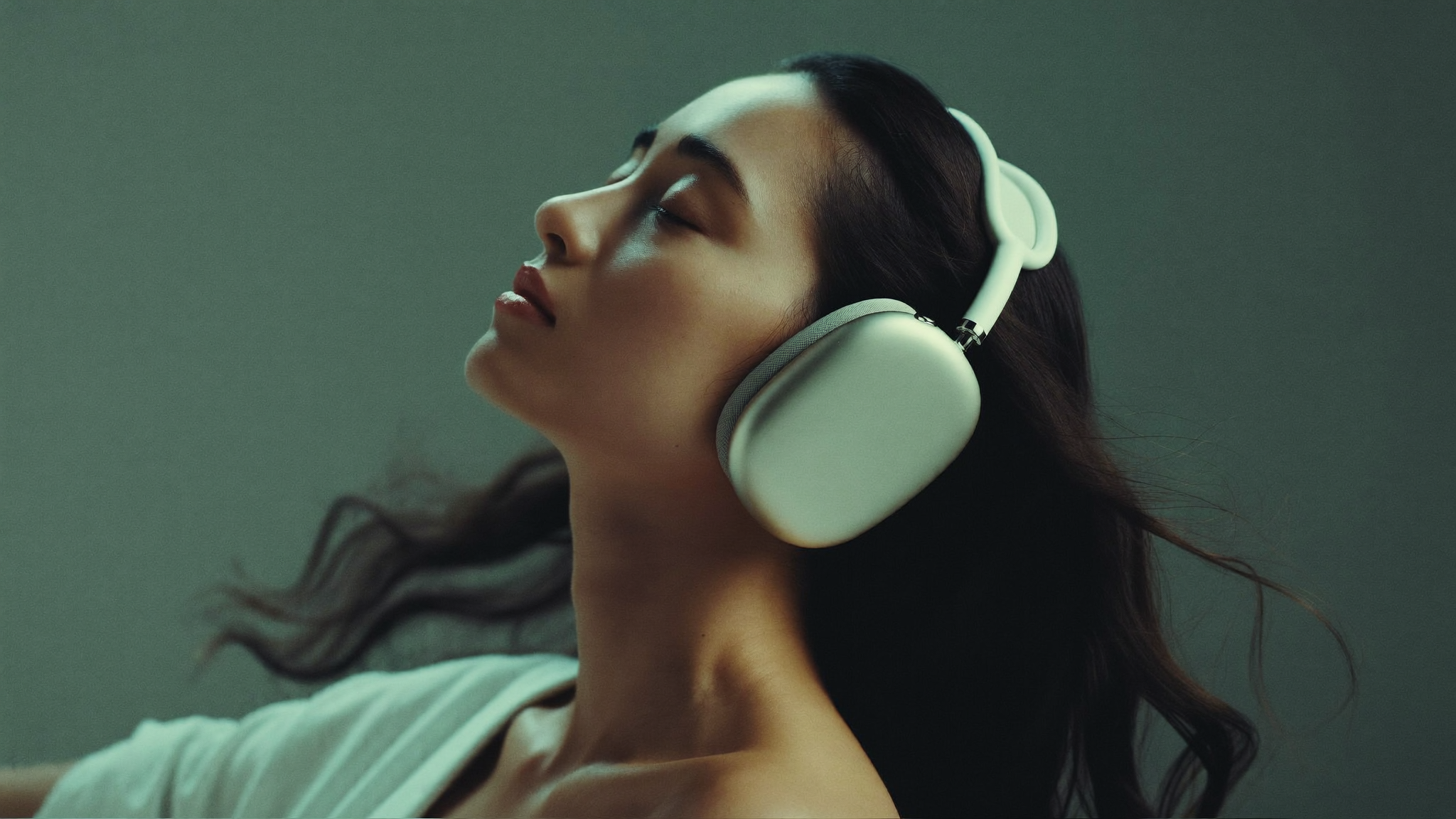
432 Hz vs. 528 Hz: Head-to-Head Comparison
Both 432 Hz and 528 Hz offer compelling benefits, but they operate through somewhat different mechanisms and tend to resonate with different aspects of human experience. Understanding their distinctions helps you choose the right frequency for specific intentions and circumstances.
| Aspect | 432 Hz | 528 Hz |
|---|---|---|
| Primary association | Earth resonance, natural harmony | DNA repair, love, transformation |
| Chakra alignment | Root and heart | Solar plexus and heart |
| Emotional effects | Grounding, calming, centering | Uplifting, loving, healing |
| Physical effects | Lower heart rate, reduced blood pressure | Reduced cortisol, cellular repair |
| Best for | Anxiety, sleep, meditation | Healing, transformation, love work |
| Scientific support | Moderate, growing | Good, multiple studies |
| Musical quality | Warmer, softer tonality | Bright, clear, expansive |
When to Choose 432 Hz
432 Hz is the frequency to reach for when you need to come back to yourself — when anxiety, overwhelm, or disconnection from the present moment are your primary challenges. Its grounding, earth-aligned quality makes it ideal for evening listening, sleep preparation, and meditation practices focused on stability and calm. If you have been feeling scattered, uncentered, or chronically stressed, regular sessions with 432 Hz music can help reestablish your baseline sense of ease and presence.
When to Choose 528 Hz
528 Hz is most powerful when your intention is active healing — whether physical, emotional, or relational. If you are working through illness, processing grief, cultivating self-love, or seeking transformation in any area of your life, 528 Hz's uplifting, heart-opening energy supports these processes directly. It is also the frequency most associated with healing the relationship with oneself, making it valuable for anyone doing deep inner work or recovering from trauma.
Combining 432 Hz and 528 Hz
Many sound healing practitioners and composers create music that incorporates both frequencies, recognizing that their complementary qualities can create a more complete healing experience than either alone. This is possible because the two tones are not dissonant with each other — while they differ by 96 Hz, they both align with natural harmonic ratios that create coherent, pleasing sound when combined skillfully.
One approach is to use 432 Hz music in the first portion of a meditation session to ground and center the nervous system, then transition to 528 Hz for the active healing phase of the practice. This sequence mirrors the natural arc of effective healing work — establishing safety and presence before diving into transformation. Many people find this combination produces deeper, more integrative experiences than using either frequency alone.
Practical Listening Protocols
For best results with either frequency, establish a consistent daily practice rather than occasional listening. Even 15 to 20 minutes per day creates cumulative benefits. Use good quality audio equipment, choose a comfortable and quiet space, and approach each session with a clear intention. Journaling after sessions helps you track changes and deepen your understanding of how each frequency affects you personally.
- Morning: 528 Hz for an energized, heart-centered start to the day
- Pre-work focus: 432 Hz for calm, concentrated mental clarity
- Afternoon reset: 432 Hz or 528 Hz for stress relief and emotional reset
- Evening wind-down: 432 Hz for deep relaxation and sleep preparation
- Meditation: Either or both, depending on intention
- During illness: 528 Hz to support cellular healing
The Science Behind Frequency Healing: What We Know
Sound therapy as a healing modality is supported by a growing body of peer-reviewed research. What we know with confidence is that sound and music have measurable effects on human physiology: they influence heart rate, blood pressure, respiration, cortisol levels, brainwave patterns, and immune function. The specific effects of different frequency ranges are the subject of ongoing inquiry.
The emerging field of psychoacoustics — the study of how the brain perceives and responds to sound — has demonstrated that different frequencies activate different neural pathways and produce different patterns of brainwave activity. This provides a scientific framework for understanding why different solfeggio frequencies feel so distinct from one another and why practitioners report specific, consistent effects from each tone.
Brainwave Entrainment
One well-established mechanism through which music and specific tones affect the brain is brainwave entrainment. The brain has a natural tendency to synchronize its electrical activity with rhythmic external stimuli — a phenomenon called the frequency following response. When we listen to music incorporating specific frequencies, our brainwaves gradually entrain to those frequencies, shifting our state of consciousness. Both 432 Hz and 528 Hz music tends to promote alpha and theta brainwave states, associated respectively with relaxed alertness and deep meditative awareness.
Keep exploring: 432 Hz music for sleep · is 528 Hz dangerous? · solfeggio frequencies chart.
Frequently Asked Questions
Is one of these frequencies objectively better than the other?
Neither 432 Hz nor 528 Hz is objectively superior — they simply serve different purposes. Think of them as different tools in a wellness toolkit. 432 Hz excels at grounding and calming; 528 Hz excels at healing and transformation. Your ideal frequency at any given time depends entirely on what you most need in that moment.
Can I listen to both frequencies on the same day?
Absolutely. Many people use 528 Hz in the morning for its uplifting quality and 432 Hz in the evening for relaxation. There is no evidence of any adverse interaction between the two, and many find that combining them across a day creates a satisfying, balanced healing practice.
How do these frequencies relate to standard music tuning?
Standard Western music is tuned to 440 Hz concert pitch. Both 432 Hz and 528 Hz fall outside this standard — 432 Hz is slightly lower, and 528 Hz is a Solfeggio tone that does not correspond directly to any standard Western musical note. Dedicated sound healing recordings are specifically tuned to these frequencies and are distinct from ordinary music, even if they may sound similar to the untrained ear.
Will I notice a difference immediately?
Many people report a noticeable shift in mood, relaxation, or mental clarity within a single session. The effects tend to be subtle at first and deepen with regular practice. Those who are highly sensitive to sound or who have prior experience with meditation or mindfulness may notice effects more quickly than those new to these practices.
Do I need special equipment to listen to these frequencies?
You do not need specialized equipment — good quality headphones or speakers are sufficient. However, headphones tend to produce more immersive experiences. The most important thing is to avoid very low-quality audio, which compresses and distorts the tones in ways that may reduce their effectiveness. High-resolution audio files or lossless streaming formats deliver the cleanest, most accurate representation of these healing frequencies.
Are there any scientific studies I can read about these frequencies?
Yes. Key studies include the 2019 research in the Journal of Addiction Research and Therapy on 528 Hz and anxiety, research from the Biochemistry Department of Vinca Institute of Nuclear Sciences on 528 Hz and DNA, and multiple studies on music and heart rate variability that include data relevant to 432 Hz. PubMed and Google Scholar are good starting points for finding peer-reviewed research on sound therapy and specific frequencies.